
Datamine Network Optimizes Arbitrum Data Syncing and Analytics
💡 AI Article Summary
Upgraded Arbitrum Analytics and Uniswap Syncing
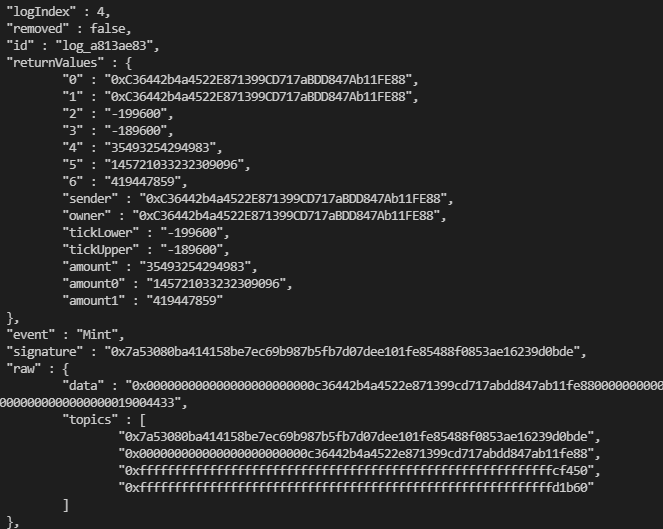
The Datamine Network has successfully completed a vital synchronization update for Uniswap data on the Arbitrum Layer 2 (L2) network. The system now syncs on-chain data directly for USDC, FLUX, and ArbiFLUX. This integration is critical for calculating and rendering historical USD pricing on our decentralized analytics dashboard.
Block Fetching and Network Migration
Following the integration of Uniswap data, developmental focus has shifted toward optimizing block-fetching mechanisms. Because Arbitrum L2 processes block ranges differently than Ethereum Layer 1 (L1), a new block range selection method is being implemented to accelerate data retrieval. This optimization will eventually be applied back to L1 syncing to improve overall network performance.
These updates coincide with an active network migration designed to support a larger volume of Arbitrum L2 data. This ensures the Datamine ecosystem remains scalable and maintains reliable, real-time metrics as on-chain activity expands.
Hey guys, finished Uniswap data syncing for Arbitrum. This means we now sync USDC, FLUX and  ArbiFLUX from on-chain data which will be very important to show historic USD pricing on analytics.
Tomorrow I am working on an update on how we fetch blocks. The L2 behaves slightly differently and doesn't like our block range selection method. Found a way to speed this up and will apply the same tweak for L1 syncing!
Exciting week as we're migrating the network to support larger set of Arbitrum L2 data. 🔥
Frequently Asked Questions
Why is Uniswap data syncing on Arbitrum important for Datamine?
Syncing Uniswap data for USDC, FLUX, and ArbiFLUX allows the system to gather accurate, on-chain historical data to calculate and display precise USD pricing on our analytics dashboards.
What block fetching optimizations are being developed?
The developer is modifying the block range selection method to account for the unique way Arbitrum Layer 2 handles block ranges. This fix will speed up L2 syncing and will also be applied to Layer 1 syncing.
What is the purpose of the upcoming network migration?
The migration upgrades the network infrastructure to support a significantly larger volume of Arbitrum Layer 2 data, ensuring optimal scaling and performance for the decentralized system.
 · hodlforjesus · #dev-updates