
Datamine Network Reports Key Weekly Performance Metrics
💡 AI Article Summary
Weekly Metric Performance
The Datamine Network has registered consistent on-chain growth over the past seven days, driven by automated activity and strategic liquidity consolidation. The ecosystem's permanent, decentralized liquidity remains strong at approximately 125,000, underscoring the system's resilience after nearly six years of continuous uptime.
Tokenomics and GameFi Momentum
The Lockquidity (LOCK) token continues to show high transactional velocity. LOCK yearly supply inflation has officially broken below 100%, currently sitting at 97.86%, as projected. This decline from its peak of 800% represents a major milestone in stabilizing ecosystem emissions.
Meanwhile, the HODL Clicker GameFi ecosystem—designed to incentivize high on-chain throughput via automated arbitrage bots—has surpassed 418,000 total transactions. This high transaction count helps LOCK maintain high visibility on analytics platforms like DexScreener, generating consistent yield for Liquidity Providers (LPs) via swap fees.
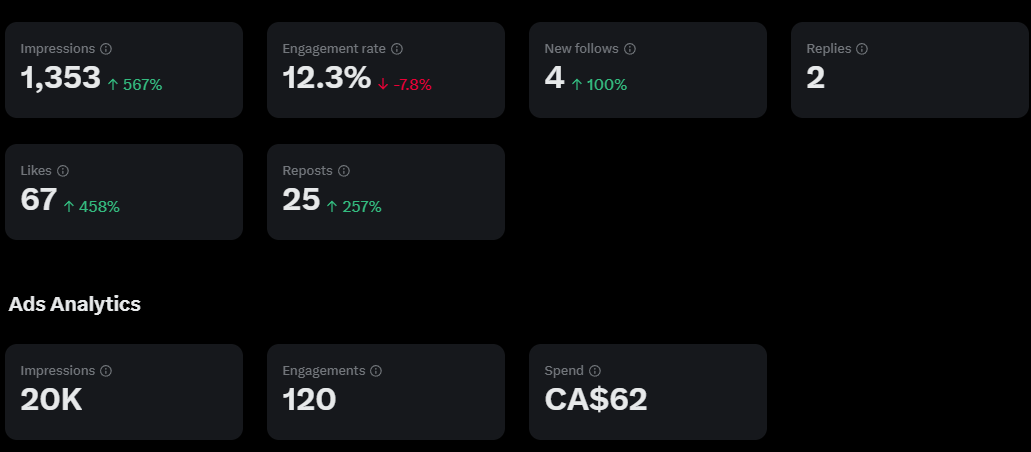
Some metric updates from marketing efforts (past 7 days) 
Frequently Asked Questions
What is the current inflation status of the LOCK token?
LOCK yearly supply inflation has successfully dropped below 100%, currently sitting at 97.86% (down from an initial peak of 800%). It is projected to drop to approximately 50% later this year.
Why does Lockquidity consistently trend on decentralized platforms?
Lockquidity trends primarily due to high on-chain transaction volume driven by the HODL Clicker GameFi contract rather than simple buy volume. The ecosystem has processed over 400,000 transactions within its first year.
What are the four main tokens in the Datamine ecosystem?
The ecosystem utilizes four distinct tokens: DAM (the foundation token), FLUX (the Layer 1 utility token), ArbiFLUX (the Layer 2 efficiency token), and LOCK (the stability and liquidity token).
How does the proof-of-burn yield model work?
Instead of traditional staking, users burn tokens to secure a permanent, dynamic yield. This represents a 'secondary function of money,' where destroying tokens generates a long-term drip of rewards.
 · hodlforjesus · #advertising-marketing